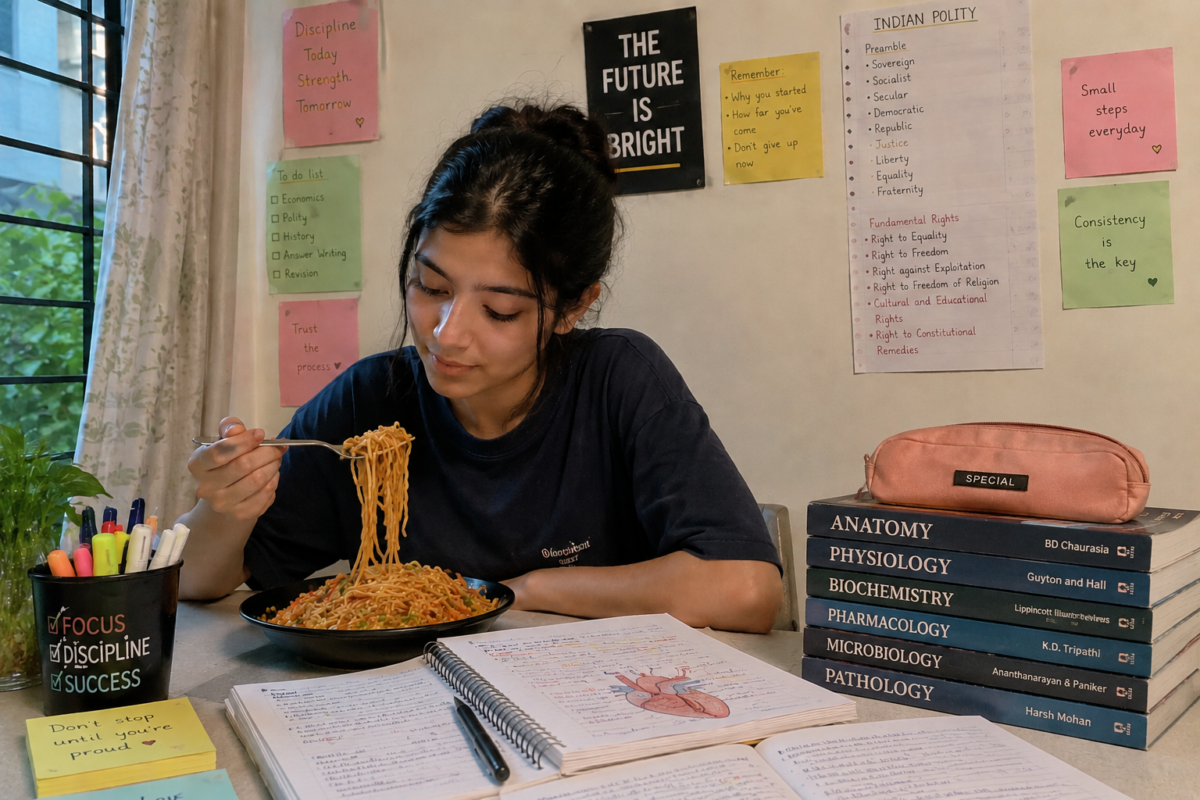
I will be honest with you — when I was living in a hostel during my student years, my meal planning was ambitious on Sunday and completely forgotten by Tuesday because I got so much to study for hundreds of exam. Between long study sessions and the general chaos of hostel life, eating well felt like a luxury. But here is what I eventually figured out: you do not need a full kitchen, expensive ingredients, or an hour of prep to eat something that actually tastes awesome, fulfils your cravings and nourishes you too. You need a plan, two things always in your fridge, and a handful of recipes that genuinely work.
The Base For All Hostel meals — Prep Once, Eat All Week
Before we get into individual recipes, I want to share the single habit that saved my hostel diet: batch-prepping a chicken base on the weekend and keeping it in the freezer. Once you have this done, pulling together a meal takes less than ten minutes. I used K&N’s boneless chicken or one 500g pack from any local shop — and it stretched to four meals easily.
Chicken Base Prep (makes 4–5 portions)
- 500g K&N’s boneless chicken (or any boneless)
- ½ cup plain yogurt
- 1 tsp salt
- 2 tsp red chilli powder
- 1 tbsp Tikka Masala
Wash and cut the chicken into bite-size pieces — buying whole boneless pieces and cutting yourself saves money compared to pre-cut.
Mix together the yogurt, salt, red chilli powder, and Tikka Masala. Coat the chicken pieces thoroughly.
Portion into zip-lock bags or freezer containers — 3 to 4 pieces per portion. Freeze everything except what you need tonight.
To use: thaw a portion, cook in a pan with a little oil until done, then throw in sliced onion, capsicum, and carrot. This filling works in wraps, pasta, rice, or on its own.
Keep onions, capsicum, and carrots stocked in small quantities — they don’t freeze well but stay fresh for a week easily. Buy only what you will use to avoid waste. This combination covers your vitamins, fibre, and a decent protein base for almost any meal.
You have to choose: spend money or spend time. Both are valid — just choose consciously. Some Days I will spend time for my food and sometimes I just ordered.
The Recipes — Tested, Affordable, and Actually Good
🍳🍚 Egg Fried Rice
This was my most-made hostel meal. It looks like nothing on paper but it is genuinely satisfying and the protein numbers are impressive. The one rule that matters: use cold rice. Freshly cooked rice clumps and goes mushy in the pan. Cold rice (thats is cooked the night before and left in the fridge) fries up with texture and separates beautifully. Do not skip this step.
- 3–4 marinated chicken pieces
- 2 eggs
- Cooked cold rice (1–2 cups)
- 1 onion, chopped
- 1 carrot, diced small
- 1 capsicum, chopped
- Soy sauce (optional)
- Chilli sauce (optional)
Cook chicken pieces in a pan with a little oil on medium-high heat until slightly crispy on the outside. That golden crust adds flavour — do not rush it on low heat.
Push chicken to one side. Crack in 2 eggs and scramble them in the same pan so they absorb the chicken flavour. Combine with chicken once cooked through.
Add chopped onion, carrot, and capsicum. Stir fry on high heat for 2 minutes — keep some crunch in the vegetables, do not let them go limp.
Add cold rice directly. Spread it out, let it sit for 30 seconds before stirring — this gives you lightly toasted, separated grains instead of mush.
Mix everything together thoroughly on high heat until well combined and steaming.
Add soy sauce and chilli sauce if available. A little goes a long way — add, taste, then adjust. Serve immediately.
48g of protein in one bowl. Eggs provide complete protein plus choline, a nutrient critical for memory and concentration that most students are chronically low on. Cold refrigerated rice also has a lower glycaemic index than freshly cooked, meaning slower, more stable energy release across a study session.It does make quickly and taste delicious and will fulfil your craving for the whole night.
🍜 Chicken Chowmein
Chowmein was my comfort meal — the one I made when I was tired, a bit homesick, or needed something that felt like real food and not a study-fuel transaction. The secret is high heat throughout. If you stir fry on low heat you steam the vegetables instead of charring them, and you lose most of the flavour. This is the alternate for when you are craving those 2 min noodles, Believe me these will only take 5/10 minutes to make.
- Noodles (egg noodles or instant blocks without the sachet)
- Marinated chicken pieces
- 1 onion, sliced
- 1 capsicum, sliced
- 1 carrot, julienned or thinly sliced
- Soy sauce
- Chilli sauce or chilli garlic sauce
- Oil for cooking
Boil noodles until just cooked — slightly underdone is better since they finish in the pan. Drain and toss with a drop of oil to prevent sticking.
Cook chicken separately in a pan with oil until done. Remove and set aside.
In the same pan on high heat, stir fry onion, capsicum, and carrot for 2 minutes. You want a slight char on the edges — that is where the flavour lives.
Add noodles and chicken back in. Pour over soy sauce and chilli sauce — start with 1 tablespoon of each and adjust.
Mix everything together on high flame for 1–2 minutes until the sauces coat evenly. Serve immediately — chowmein gets soggy fast.
Noodles provide quick-release carbohydrates — useful before or after a demanding study block or workout. Chicken anchors the meal with protein that stabilises blood sugar. If you want to reduce calories, use fewer noodles and more vegetables — the dish still works well and the protein-to-carb ratio improves significantly.
🌯 Chicken Tortilla Wrap
The fastest proper meal in this list. If your chicken is already cooked from the prep batch, you are looking at five minutes of assembly. I used to make this for my breakfast and enjoyed with cup of tea. You can use simple chapatti or roti of your likings
- 1 tortilla or paratha
- 3–4 cooked chicken pieces
- 2–3 tbsp yogurt or mayo
- ½ onion, thinly sliced
- ¼ capsicum, sliced
- Lettuce or shredded cabbage (if available)
- Salt, pepper, chilli flakes
Cook chicken and break apart slightly with a fork — shredded chicken fills a wrap much better than whole pieces and distributes the flavour evenly.
Add sliced onion and capsicum to the pan with the chicken. Toss on high heat for 1–2 minutes — softened but not fully cooked through.
Lay tortilla flat. Spread yogurt or mayo generously across the centre. Season with salt, pepper, and chilli flakes.
Add the chicken and vegetable filling. Top with lettuce or cabbage if available. Roll tightly, folding the sides in as you go.
Place seam-down in the hot pan and toast for 1–2 minutes per side until golden. Cut diagonally and eat immediately.
Yogurt dressing adds probiotics that support gut health — relevant when you are stressed, since chronic stress directly disrupts the gut microbiome. Lightly cooked vegetables retain more Vitamin C than fully cooked ones. This is an excellent meal 90 minutes before an exam — filling enough to sustain you, light enough not to cause the sluggishness that comes from a heavy meal right before you need to think clearly.
🥗 Chicken Salad
The lowest-calorie, highest-protein meal in this entire post. If you are trying to eat well without gaining weight during a sedentary exam season — and most of us do gain weight during revision because we stop moving and start stress-eating — this salad is your best option. The lemon and yogurt dressing is what makes it genuinely enjoyable rather than just virtuous. Do not skip it, and do not be shy with the black pepper.
- 150g cooked chicken
- 1 onion, finely diced
- ½ capsicum, diced
- 1 carrot, grated or diced
- Cucumber or tomato (if available)
- 2 tbsp plain yogurt
- Juice of half a lemon
- Salt and black pepper
Cook and slice or shred the chicken. Let it cool slightly before adding to the salad — hot chicken wilts everything immediately.
Chop all vegetables into roughly equal-size pieces. Uniform pieces means every forkful has a bit of everything — it matters more than it sounds.
Mix chicken and vegetables together in a bowl.
Add yogurt, lemon juice, salt, and a generous amount of black pepper. Toss until everything is evenly coated. Taste and adjust seasoning — it should be bright and slightly tangy.
At 43g protein and only 300 calories, this is the most efficient meal in the post by protein-to-calorie ratio. During high-stress exam periods, cortisol rises and the body begins breaking down muscle tissue for energy — adequate protein intake directly counteracts this. Lemon provides Vitamin C, which supports the immune system that chronic stress tends to suppress. I specifically recommend this one in the week before major exams.
Other Quick Things You Can Make
These do not need full recipes. Once your chicken base is prepped, these come together in minutes — keep them at the back of your mind for the days when even a four-step recipe feels like too much effort.
Chicken Pasta
Boil pasta until done, drain, toss with cooked chicken and a generous spoon of ketchup, mayo, or chilli garlic sauce. Season with salt and pepper. Takes ten minutes and feels surprisingly like a proper meal. Add any leftover vegetables from your weekly prep if you have them.
Chicken Sandwich
Shred cooked chicken with a fork — thirty seconds of effort — and mix with yogurt or mayo, salt, and a little chilli. Spread on two slices of bread. Add any vegetables you have. Toast it if possible. This is the fastest complete-protein meal in this entire post and it costs almost nothing.
Loaded Fries
Cook or buy plain fries. Pile cooked chicken on top with whatever sauces are in the fridge — chilli garlic, mayo, ketchup. This is comfort food rather than a nutritional highlight, but it is far better than eating nothing, and the chicken on top means you are still getting real protein. Some days that is enough, and that is okay.
A Final Word on Eating Well in a Hostel
Living without a full kitchen is not an excuse for poor nutrition — and it is not a reason to feel bad about what you eat either. Every recipe in this post is built on the same two-ingredient foundation: marinated chicken in the freezer and fresh vegetables in the fridge. Get those two things right at the start of each week and you are already most of the way there.
The relationship between what you eat and how you study is not soft wellness advice. It is biology. Your brain runs on glucose, protein, and micronutrients. When those run consistently low, your concentration drops, your mood suffers, and your resilience shrinks — at exactly the moment you need all three the most. Feeding yourself well is not separate from your studies. It is part of them.



0 Comments